
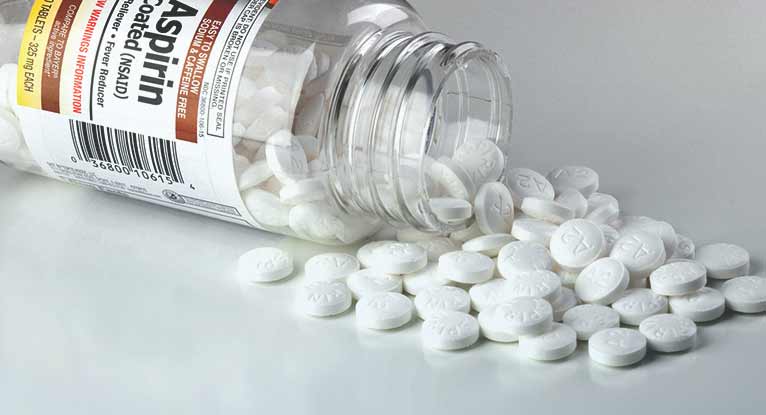
Aspirin is a commonly used medication that has both potential benefits and risks when taken on a daily basis. Here are some important considerations when it comes to daily aspirin use:
Benefits:
Aspirin is a blood-thinning medication that can help reduce the risk of blood clots, which can cause heart attacks and strokes. For individuals who have a history of heart disease or stroke, daily aspirin use can be an important preventive measure.
Some studies have suggested that daily aspirin use may also reduce the risk of certain types of cancer, including colon, breast, and lung cancer. However, further research is needed to confirm these findings.
Risks:
Daily aspirin use can increase the risk of gastrointestinal bleeding and ulcers. This risk is higher in older adults, individuals with a history of gastrointestinal bleeding, and those taking other blood-thinning medications.
Aspirin can also increase the risk of bleeding in the brain, which can cause a hemorrhagic stroke. This risk is higher in individuals who have a history of bleeding in the brain or who take other blood-thinning medications.
Aspirin can interact with other medications, including nonsteroidal anti-inflammatory drugs (NSAIDs) and certain blood pressure medications. It’s important to discuss all medications and supplements with a healthcare provider before starting daily aspirin use.
When recommending aspirin, remember that its use can have potential benefits for individuals at high risk of heart disease or stroke and MIGHT prevent certain types of cancers. However, it’s important to consider the potential risks and address them with your patient.
