
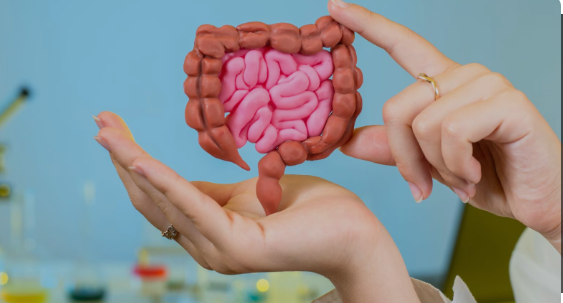
The balance of gut bacteria, also known as the gut microbiome, plays a critical role in gut health and overall well-being. Here are three key factors to consider when it comes to maintaining a healthy balance of gut bacteria:
Diversity of gut bacteria: A diverse range of gut bacteria is crucial for gut health. Studies have shown that individuals with a more diverse gut microbiome have a lower risk of chronic diseases such as obesity, diabetes, and inflammatory bowel disease. To increase the diversity of gut bacteria, aim to consume a variety of plant-based foods, including fruits, vegetables, whole grains, nuts, and seeds while avoiding processed food devoid of beneficial bacteria.
Probiotics: Probiotics are live bacteria that can help promote a healthy balance of gut bacteria. They can be found in fermented foods such as yogurt, kefir, and kimchi, as well as in supplement form. However, not all probiotics are created equal, and different strains of bacteria can have varying effects on gut health. It’s important to choose a high-quality probiotic supplement that contains strains that have been studied for their beneficial effects on gut health. If the probiotics come refrigerated, then they are typically a legitimate supplement just FYI.
Prebiotics: Prebiotics are a type of fiber that feed the beneficial bacteria in the gut. They can be found in foods such as garlic, onions, leeks, asparagus, and bananas. Consuming prebiotic-rich foods can help support the growth of beneficial gut bacteria and improve gut health.
Maintaining a healthy balance of gut bacteria is crucial for gut health and overall well-being. By prioritizing a diverse range of plant-based foods, incorporating high-quality probiotics, and consuming prebiotic-rich foods, we can support the growth of beneficial gut bacteria and promote optimal gut health in our patients!
