
Pros:
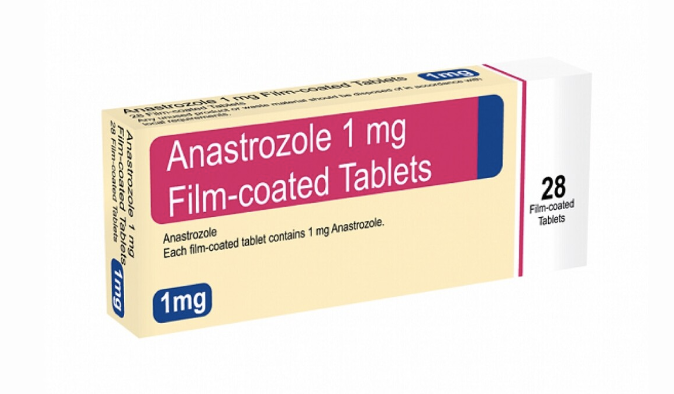
- Estrogen Control: Anastrozole, an aromatase inhibitor, effectively controls the conversion of testosterone to estrogen, helping to maintain a balanced hormonal profile in individuals undergoing testosterone replacement therapy (TRT).
- Prevention of Estrogen-Related Side Effects: By managing estrogen levels, anastrozole reduces the risk of estrogen-related side effects such as gynecomastia (enlargement of breast tissue), water retention, and mood disturbances.
- Optimization of Testosterone Benefits: Estrogen balance is crucial for optimizing the benefits of testosterone therapy. Anastrozole ensures that the positive effects of testosterone, including improved mood, energy, and muscle mass, are not overshadowed by elevated estrogen levels.
- Individualized Treatment: Anastrozole allows for a more individualized approach to TRT, tailoring the estrogen control based on the patient’s response and the rate of estrogen conversion.
Cons:
- Potential for Over-Suppression: Excessive use of anastrozole may lead to over-suppression of estrogen, which can have negative implications for bone health, lipid metabolism, and cardiovascular health. Striking the right balance is crucial.
- Joint and Bone Health Considerations: Estrogen plays a role in maintaining bone density and joint health. Excessive reduction of estrogen may contribute to issues like joint pain and decreased bone mineral density.
- Individual Variability: Response to aromatase inhibitors varies among individuals. Some may be more sensitive to estrogen fluctuations, and overly aggressive estrogen control may lead to unwanted symptoms.
- Monitoring Challenges: Achieving the optimal balance between testosterone and estrogen requires careful monitoring through regular blood tests. Overreliance on anastrozole without proper monitoring can result in hormonal imbalances.
Patient Education:
- Informed Decision-Making: Patient education is paramount. Individuals undergoing TRT should be well-informed about the benefits and potential risks of incorporating anastrozole into their treatment plan.
- Symptom-Based Approach: An individualized, symptom-based approach is crucial. Monitoring for signs of estrogen imbalance and adjusting the dose of anastrozole accordingly helps mitigate potential side effects.
Justin’s Thoughts on Anastrozole:
I would estimate that only about 25% of my patients are on anastrozole because they are estrogen sensitive. The majority of patients don’t need it. There is just a subset of patients who have estrogenic side effects while on TRT. Anyone who says otherwise is misinformed. The goal is not to bottom out a male’s estrogen levels… you are simply lowering it to a physiologic range.
