
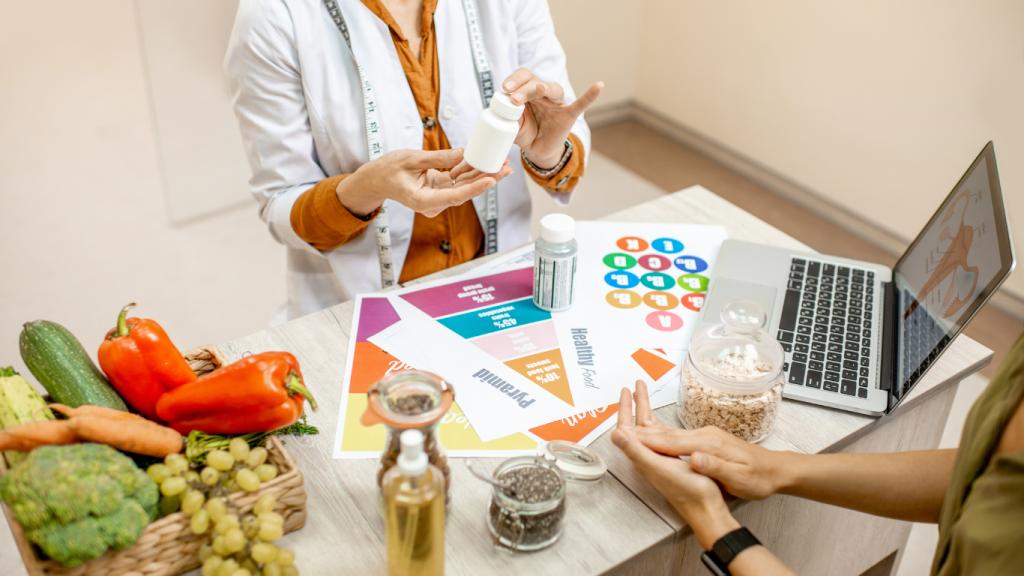
Are you ready to feel empowered in helping your patients make informed decisions about weight loss supplements? Weight loss is a hot topic as we head into a new year, and as a nurse practitioner, you’ll likely encounter questions about which supplements work and which ones to avoid. Knowledge is your best tool when empowering patients to take charge of their health.
This blog breaks down three of the most popular ingredients in weight loss supplements—green tea extract, chitosan, and berberine—and provides you with the key insights you need to respond with confidence. Plus, you’ll learn how to spot potential risks while promoting the use of safe, third-party certified products.
Top Weight Loss Ingredients You Should Know
1. Green Tea Extract
Green tea extract is often touted for its metabolism-boosting qualities. Containing EGCG (epigallocatechin gallate) and caffeine, it may help support calorie and fat metabolism. Research shows modest weight loss benefits with regular use—think 576 to 886 mg catechins and 70 to 200 mg caffeine daily over 12-24 weeks.
But here’s a cautionary note worth mentioning to patients: Though green tea and its extracts are largely safe when taken in moderation, consuming extracts with 800 mg or more of EGCG per day has been linked to elevated liver enzymes—a sign of potential liver damage. Encouraging patients to stay within recommended doses and look for high-quality, certified products will help protect their overall health.
2. Chitosan
Chitosan is a popular “fat blocker” derived from chitin, a fiber found in shellfish. While clinical studies suggest it may provide a minor edge in weight loss—around 1 kg more than placebo—it likely works best when paired with a calorie-restricted diet.
For most patients, chitosan is safe at doses of 1 to 1.35 grams daily for up to 3 months. However, for individuals with shellfish allergies, this ingredient is an absolute no-go. Be sure to remind your patients to check product labels thoroughly to avoid allergic reactions.
3. Berberine—”Nature’s Ozempic”
Berberine has recently gained attention as a natural alternative to semaglutide (Ozempic). Why? Because it appears to stimulate GLP-1 secretion, potentially helping with weight loss. But here’s the reality check—current research shows modest benefits. On average, berberine may reduce weight by 2 kg over a period of up to 6 months when taken at doses between 300 to 1500 mg daily.
Though generally safe within these guidelines, be mindful of drug interactions. Berberine inhibits enzymes like CYP3A4, 2C9, and 2D6, which might alter the effects of certain medications.
Key Takeaway
While these ingredients show potential, weight loss supplements fall into one of the riskiest product categories. Many are infamous for including undeclared ingredients or stimulants that could lead to severe side effects. Encourage patients to choose supplements that are third-party certified for safety and quality.
Practical Application for Nurse Practitioners
Nurse practitioners are more than just healthcare providers—they’re educators, motivators, and advocates for safe practices. By understanding the evidence behind popular supplements, you equip yourself to dispel myths, offer clear guidance, and empower patients to achieve their weight loss goals responsibly.
Learn More & Exclusive Offer
It’s time to stay ahead of the curve. Expand your knowledge on this topic and other trending supplements through our partner NatMed’s educational courses. And as a special offer, you can enjoy 10% off your NatMed purchase with the code ENP10.
The more empowered you are, the better equipped you’ll be to make meaningful impacts in the lives of your patients.
Make informed decisions. Stay motivated. And keep leading the charge in healthcare excellence.
Code valid for a limited time. Start exploring today!
