
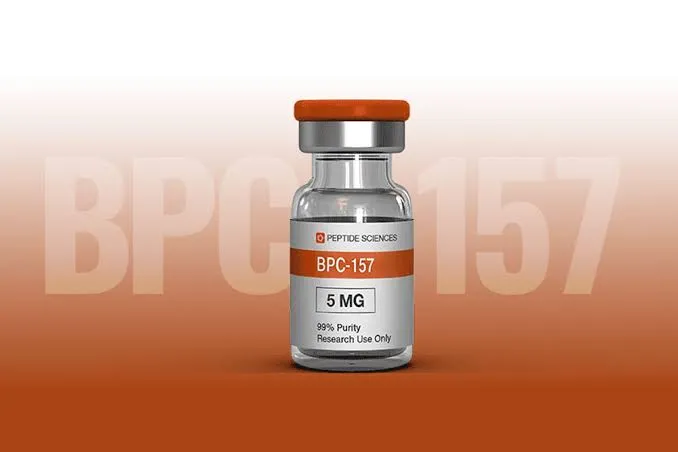
On July 23, 2026, BPC-157 reached a milestone its clinical community has been anticipating for a long time. The FDA’s Pharmacy Compounding Advisory Committee (PCAC) voted 8 to 6 to recommend that BPC-157 be added to the Section 503A Bulk Drug Substances List — the roster of ingredients that state-licensed compounding pharmacies can use to prepare medications for individual patients. For the nurse practitioners, prescribers, and patients who have followed this peptide’s long regulatory road, it’s a genuinely encouraging signal: the pathway toward legitimate, pharmacy-grade BPC-157 access is moving in the right direction.
This post walks through what the panel actually recommended, where things stand in the process now, and how NPs can get ready to engage with this momentum responsibly.
A Vote in BPC-157’s Favor
The PCAC is the federal advisory committee that reviews bulk drug substances — raw active ingredients — and advises the FDA on which belong on the 503A bulks list. Making that list is what allows a substance to be legally compounded by a 503A pharmacy for an individual patient prescription, even without an existing USP monograph or approved-drug status. In short, it’s the doorway to a sanctioned, quality-controlled supply.
BPC-157 was the very first substance the committee took up over its two-day July 23–24 meeting at the FDA’s White Oak campus — and it came through with a favorable recommendation. The momentum didn’t stop there: on the same day, the committee also issued favorable recommendations for several other widely used peptides, including TB-500, KPV, and MOTS-c. That’s a notable shift in a category that has spent years in regulatory limbo. (For the clinical picture on the two recovery peptides NPs are asked about most, see our guide to BPC-157 and TB-500 for tissue repair.)
Where Things Stand: A Big Step Forward, Not Yet the Finish Line
So you can speak about this accurately with patients and colleagues, here’s the one piece of process to keep straight:
The PCAC vote is a recommendation to the FDA — an important, influential one, but the FDA still makes the final call on whether BPC-157 is formally added to the 503A list. Until that final decision, BPC-157 is not yet FDA-approved or formally cleared for compounding. What changed on July 23 is the direction of travel: a federal advisory panel has now gone on record backing compounding access.
That’s the honest and encouraging framing — not “it’s legal now,” but “the process has cleared a major checkpoint and is advancing toward a decision.” Advisory-committee recommendations frequently shape where the FDA lands, so this vote genuinely matters.
How BPC-157 Got Here
This didn’t happen overnight — it’s the payoff of a steady regulatory progression. In April 2026, the FDA removed BPC-157 (and TB-500) from its Category 2 list of bulk substances previously flagged for compounding-safety review. That reclassification is exactly what cleared the way for the July PCAC review under the 503A framework. In other words, the pieces have been moving into place all year, and the July vote is the most significant step yet. The fuller history lives in our evergreen explainer on the 2026 FDA peptide reclassification.
The Evidence Base Is Maturing, Too
Part of what makes this moment interesting is that the science is advancing alongside the regulation. BPC-157 has a substantial and encouraging preclinical literature — animal and laboratory studies point to real mechanistic promise in angiogenesis, collagen synthesis, and soft-tissue repair, which is a big part of why clinical interest has grown so strongly.
The committee moved forward with its recommendation even while the FDA’s review staff took a more cautious read of the current human evidence — a normal, healthy part of a rigorous process. And that human evidence is now actively being built: a phase 2, randomized, placebo-controlled trial in acute hamstring injury is underway (ClinicalTrials.gov NCT07437547), with results expected in the coming years. The takeaway for NPs is a positive one — the field is finally generating the controlled human data that will let us counsel patients with even more confidence over time.
What This Means for Your Practice — and How to Be Ready
For nurse practitioners who see growing patient interest in BPC-157, this is a good moment to get positioned:
- Track the FDA’s final decision. The recommendation now goes to the agency; when it acts, that’s what determines the formal compounding status. Following it closely means you’ll be ready to move the moment the pathway is confirmed.
- Keep sourcing gold-standard. If these agents are used, they should come only from FDA-registered 503A or 503B compounding pharmacies — the very channel this vote is helping to legitimize. That’s the quality-controlled route worth standing behind. Our peptide legality and sourcing guide breaks down the 503A/503B distinction.
- Know your state scope. Whether and how an NP can prescribe or recommend a compounded peptide is a state-level question — a quick thing to confirm now so you’re ready to act.
- Counsel from strength. You can speak to patients with real optimism and precision: the regulatory momentum is favorable, the mechanistic rationale is compelling, and the controlled human data is on its way. That balanced, informed voice is exactly what patients want from their NP.
What’s Next
The committee’s recommendation now moves to the FDA for a final determination, and the other peptides recommended during the July 23–24 meeting are advancing along the same path. Between the reclassification earlier this year and this favorable vote, the trajectory for compounded peptides has clearly shifted toward broader, legitimate access.
We’ll keep this post and our FDA peptide reclassification hub updated as the FDA moves — check back for the next milestone.
If you want to get ahead of the curve now, the Anti-Aging & Peptide Course gives NPs the structured clinical and regulatory foundation — peptide pharmacology, evidence appraisal, compounding and sourcing, and safe patient selection — to integrate this category into practice with confidence as the landscape opens up.
Frequently Asked Questions
What did the FDA advisory panel decide about BPC-157 on July 23, 2026?
The FDA’s Pharmacy Compounding Advisory Committee (PCAC) voted 8-6 to recommend that BPC-157 be added to the 503A bulk drug substances list — the ingredients compounding pharmacies can use for individual patient prescriptions. It’s a significant, favorable step. The recommendation now goes to the FDA, which makes the final decision, so BPC-157 is not yet formally approved for compounding — but the momentum is clearly positive.
Is BPC-157 legal or FDA-approved now?
Not yet — but it’s moving in that direction. The advisory panel has recommended a compounding pathway, and the FDA’s final decision is pending. Once (and if) the FDA adds BPC-157 to the 503A list, compounding pharmacies would have a sanctioned route to prepare it for patients. For now, the accurate way to describe it is “recommended by the FDA’s advisory panel, with a final decision pending.”
What is the 503A bulks list, and why is getting on it a good thing?
The 503A Bulk Drug Substances List is the set of active ingredients that state-licensed 503A compounding pharmacies may use to prepare medications for individual patients, even without a USP monograph or approved-drug status. Adding BPC-157 to it would open a legitimate, quality-controlled compounding channel — exactly the kind of pharmacy-grade access clinicians and patients have wanted, versus unregulated sources.
How can nurse practitioners prepare for this?
Stay close to the FDA’s final decision, keep any sourcing strictly to FDA-registered 503A or 503B compounding pharmacies, confirm your state scope of practice for compounded peptides, and keep counseling patients with a balance of optimism and evidence. That positions you to act confidently the moment the pathway is finalized.
Were other peptides recommended at the same meeting?
Yes — and that’s part of the encouraging picture. On July 23, 2026, the committee also issued favorable recommendations for other popular peptides, including TB-500, KPV, and MOTS-c, with additional substances reviewed on July 24. Each now follows the same path toward an FDA decision.
Sources
Regulatory (primary):
- U.S. Food & Drug Administration. July 23–24, 2026: Meeting of the Pharmacy Compounding Advisory Committee. https://www.fda.gov/advisory-committees/advisory-committee-calendar/july-23-24-2026-meeting-pharmacy-compounding-advisory-committee-07232026 — meeting notice and agenda.
- U.S. Food & Drug Administration. Certain Bulk Drug Substances for Use in Compounding That May Present Significant Safety Risks (Category 2 bulk substances). https://www.fda.gov/drugs/human-drug-compounding/certain-bulk-drug-substances-use-compounding-may-present-significant-safety-risks — primary regulatory record for bulk-substance status. Confirm current BPC-157 listing here for the latest status.
News reporting (meeting coverage, accessed July 24, 2026):
- Regulatory Affairs Professionals Society (RAPS). FDA advisory committee backs two controversial peptides. https://www.raps.org/resource/fda-advisory-committee-backs-two-controversial-peptides.html — reports the 8-6 BPC-157 recommendation.
- STAT News. FDA panel backs compounded BPC-157, KPV peptides. https://www.statnews.com/2026/07/23/fda-panel-okays-peptides-compound-pharmacies-bpc-157-kpv/ — confirms the panel recommended compounding of BPC-157, KPV, TB-500, and MOTS-c on July 23; notes the FDA makes the final decision.
- The Hill. FDA committee votes to add peptides to permitted compounding list. https://thehill.com/homenews/5987510-fda-committee-votes-peptides/ — corroborates the favorable committee vote.
Clinical trial (ClinicalTrials.gov):
- BPC 157 for Acute Hamstring Muscle Strain Repair. NCT07437547 — Phase 2, randomized, placebo-controlled; status: Recruiting. https://clinicaltrials.gov/study/NCT07437547
